One Block Horrors But Gun Base Defense Around the One Block
Shape platforms and cover so mining stays safe and night fights funnel into your guns—not the void.
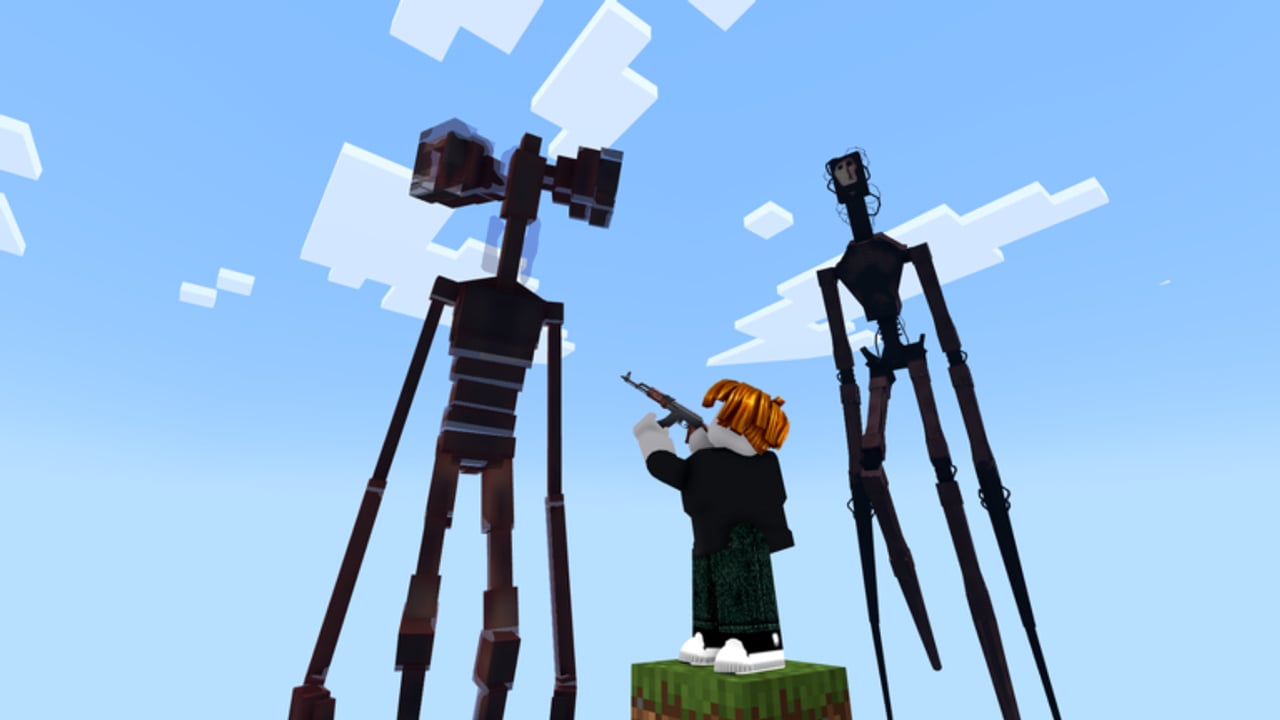
The regenerating one block is both your economy and your magnet for trouble. Base defense in One Block Horrors But Gun means shaping the space around that block—platforms, cover, sightlines, and fall hazards—so your squad can mine by day and hold by night. With up to 18 players in online co-op, shared fortifications matter as much as any single gun.
Use this page with Survive the Night for fight tempo and Getting Started for the day-one loop. Defense without ammo discipline still fails; defense with a plan turns darkness into a manageable siege.
What you are defending
You are not building a pretty lobby. You are protecting:
- Access to the one block during safe mining windows.
- Player footing so knockback and panic do not drop allies into the void.
- Shootable chokes where overlapping fire works.
- Revive pockets slightly off the main kill zone.
If a structure looks cool but blocks your own aim or traps teammates on a tiny lip, tear it down or redesign during daylight.
Platforms: stable stages beat flashy towers
Start with footing. Wide, flat platforms around the block give miners room to strafe without clipping each other into air. Raised edges can help define space, but razor-thin catwalks above empty fall space cause more friendly deaths than enemy ones.
Platform guidelines:
- Keep a clear stand zone for two miners plus one lookout.
- Leave exit paths toward cover—dead-end pads become graves.
- Avoid stacking the entire lobby on one pillar; spread to secondary pads that still see the choke.
- Repair broken lips immediately after a night; damage compounds.
Verticality is a tool, not a personality. A modest rise that improves sightlines is enough. Extreme towers make you a silhouette and complicate revives.
Cover that helps shooters
Cover should let you break line of sight for reloads without deleting your ability to pre-aim the approach. Ideal pieces are waist-to-chest blockers with open sides for peek shooting. Full walls that force you into long detours often help attackers more than defenders.
Place cover:
- On the enemy side of your firing line, not behind your own backs only.
- With gaps that create overlapping fields of fire.
- Away from the exact block pixel so miners are not fighting inside the same prop clutter.
Destructible or temporary cover—if present in a session—needs an owner. Assign someone to restage pieces between nights so your fort does not slowly dissolve into open ground.
Fall hazards and the void
The void is a silent killer. Design with fall safety in mind:
- Chamfer or widen edges where players strafe while shooting.
- Do not put the main reload spot on a one-stud lip.
- Be careful with intentional fall traps; they train your own lobby to move poorly.
- Call “edge!” when a teammate backpedals toward empty space.
Knockback-heavy moments turn bad architecture into team kills. If your squad keeps falling in the same corner, rebuild that corner before blaming aim.
Shared defenses with a squad
Max player count invites chaos unless someone directs build labor. Try a simple role split:
- Architect — decides footprint and choke location.
- Builders — place platforms and cover during daylight.
- Miners — keep the block looping while builders work.
- Quartermasters — sort guns and ammo near the rally pad (see How to Get Guns).
In public servers, lead by example: build a usable choke even if randoms ignore you. A small competent fort with four cooperating players outperforms a sprawling mess with twelve tourists.
Agree on a rally point visible from the block. When night starts, everyone should know which pad is home. Lost players invent new bad angles and die alone.
Integrating defense with the night plan
Defense is the stage; night survival is the play. Before darkness:
- Walk the approach as if you were the enemy—fix blind corners.
- Confirm lights cover the choke (details in Survive the Night).
- Station gunners on marked posts, not on the block itself.
- Keep a revive pocket one cover piece behind the line.
- Stop major renovations once threats are due—finish builds early.
During the night, resist “improvement” urges. Moving props mid-fight creates gaps. Hold what you built; iterate at dawn.
Mining safely inside a fort
The block must remain reachable. If your walls seal the block so only one crouched avatar can swing, throughput collapses and players climb unsafe shortcuts. Leave a mining lane that can close with bodies and guns when night starts, then reopen for daylight cycles.
A practical pattern:
- Day: open access, two-person mine crew, lookout on the choke.
- Pre-night: pull off the block, seal with shooters, lights on.
- Night: treat the block as optional; only tap it during hard downtime.
- Morning: repair, then resume regenerating loot cycles.
Common base-defense failures
- Pretty mazes that confuse your own team’s pathing.
- No lights on the actual entrance you intended to hold.
- Cover that blocks friendly muzzle elevation toward the approach.
- Everyone building personal nests instead of one shared choke.
- Ignoring void lips until three people fall in one wave.
- Building through the night instead of shooting.
Low-budget defense when you lack build time
Not every session allows a mega base. Minimum viable defense:
- Clear junk that blocks sight to the main approach.
- Widen the stand space around the block by one safe margin.
- Place two cover pieces forming a V toward the threat path.
- Mark a rally with a distinct prop or position call.
- Assign left and right holders.
That five-minute setup already beats standing in a flat open disk.
Coordinating with loadouts
Defense multiplies good guns and exposes bad habits. Put stable mid or close weapons on choke holders; let confident aimers take wider peek angles. Review picks on the Guns Tier List after you know which lanes your fort actually creates. A long-range specialist is wasted if your only sightline is a two-meter doorway.
Review loop after each night
Ask three questions at dawn:
- Where did enemies enter that we did not expect?
- Where did we fall or get stuck?
- Did the block stay usable without feeding deaths?
Change one structure element at a time so you learn what worked. Sweeping rebuilds every morning hide lessons.
Closing
Base defense around the one block is applied map control: stable platforms, honest cover, respect for the void, and a squad that shares one plan. Build enough to make Survive the Night easier, then stop decorating and start holding. When your fort is boring and readable, mining stays productive and mornings feel like resets instead of rebuild emergencies.
New to the game? Start with Getting Started, learn inputs in Controls, then return here once you know where the block sits in your favorite lobby layout. Strong defenses turn One Block Horrors But Gun from a panic simulator into a co-op siege you can practice and master.
Frequently Asked Questions
Quick answers for One Block Horrors But Gun players.
What should we build first around the one block?
Widen stable footing, add simple cover facing the main approach, and keep a clear mining lane. Skip maze walls until the choke works.
How do we stop falling into the void?
Widen edges, avoid thin lips for reload spots, call when teammates backpedal, and rebuild damaged corners every morning.
Should the whole server build personal bases?
No. Shared defenses with one rally and one primary choke outperform scattered nests, especially in public lobbies.
Do we defend on the block itself?
Hold nearby chokes and cover. Standing on the block during fights makes you an easy target and blocks miners when a safe window appears.
What should I read with this guide?
Pair Base Defense with Survive the Night for combat tempo and Getting Started for the overall day-one loop and links to guns and codes.